
Cloud VPS
Server Rental
Do not be held back by the limits of shared hosting. Set your project free with 100% isolated hardware, NVMe disk performance and full root access.
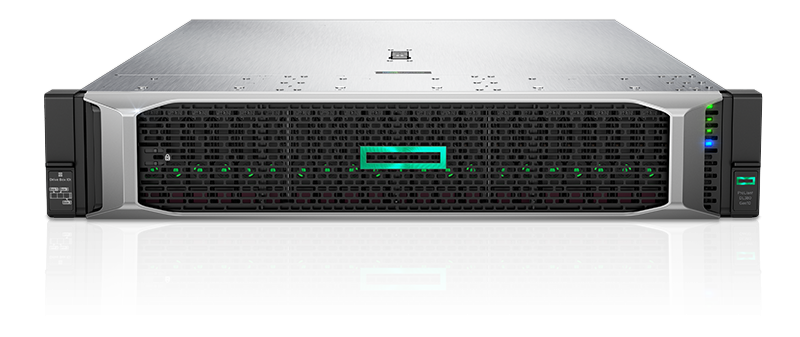
Enterprise VPS Servers
Platinum Performance, Enterprise Reliability
What Is a VPS?
Virtual Server Rental
As your projects grow on the web, running into the limits of standard hosting plans (CPU limits, insufficient RAM and so on) is inevitable. This is exactly where a VPS (Virtual Private Server) comes in, giving you a dedicated server experience without the high cost of renting a physical server.
Technically, a VPS is a physical host machine with enormous processing power (bare metal) divided into logical parts by advanced virtualization software such as VMware or KVM. Each part behaves like an independent server with its own operating system, its own disk space and its own IP address.
When you rent a VPS, you effectively acquire a digital property of your own. With hosting you have access to a folder; with a VPS you hold the server's "master key" (the Root/Administrator password). This means you can:
- install any operating system you like (Ubuntu, CentOS, Windows),
- restart the server whenever you want,
- and freely set up your custom software and database configurations.
The NVMe VPS infrastructure we offer at NetVay combines this freedom with maximum performance. By eliminating the bottlenecks caused by traditional disks, we make your websites and applications respond at lightning speed.
What Are the Real Differences
Between VDS and VPS?
Although they are often used interchangeably in the industry, there is a world of difference in architecture and performance between a VDS (Virtual Dedicated Server) and a VPS. Understanding this difference is vital for the future of your project.
Classic VPS systems use "software isolation". Resources (RAM and CPU) are shared on a pooled basis. If a neighboring site on the same server receives heavy traffic or is attacked, it strains the host machine and your site slows down too. In technical literature this is called the "Noisy Neighbor" effect.
With VDS Rental, however, "hardware isolation" comes into play:
- Dedicated RAM: If 8 GB of RAM is committed to you, those memory modules are physically reserved for you. Even if you do not use them, nobody else can.
- Isolated CPU: The processor cores are yours alone. Whatever your neighbor does, your performance is not affected even by a millisecond.
To avoid surprising our customers, we at NetVay offer the VDS architecture as standard in all our plans. Even if it is called a VPS, you use 100% isolated and dedicated resources on our infrastructure. Especially for e-commerce, accounting software and game servers, a VDS (Cloud Server) is the one and most reliable choice.
What Determines
VPS Prices?
When you search for "cheapest VPS" on Google, you see a wide range from 10 TL to 1000 TL. So what causes this price gap? The main factor that determines VPS prices is the hardware technology behind the server.
A server built on old-generation, second-hand Xeon processors and slow-spinning mechanical (HDD) disks naturally costs different from an infrastructure that uses cutting-edge Intel/AMD processors and Enterprise NVMe SSD disks (6 times faster than a standard SSD).
Other critical factors that affect the price are:
- Line quality: Not home internet, but 10 Gbit/s fiber optic and a clean, DDoS-protected line.
- Licenses: The foreign-currency license costs of software such as cPanel, Plesk and Windows Server.
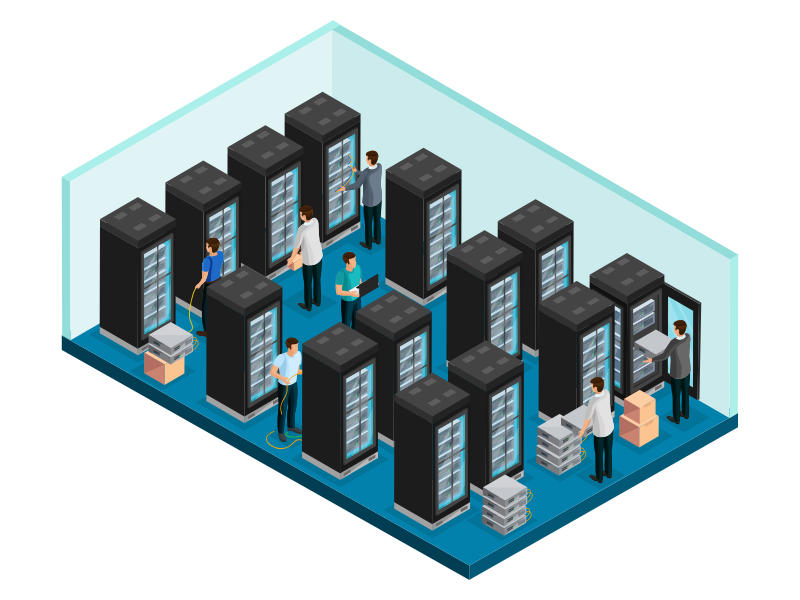
- Data center: Hosting in a Tier III certified data center with redundant power and climate control.
Our strategy at NetVay is not to be "the cheapest" but to give back every lira you pay as "uninterrupted performance". Thanks to the purchase volume created by our customers, we can offer enterprise-grade hardware to individual users as well, at affordable VPS prices.

What Is a VPS Server
Used For?
When you rent a virtual server, what you actually get is an empty but fully authorized computer; what you use it for is entirely up to you. The most common use is hosting websites and e-commerce: WordPress, WooCommerce or Opencart installations squeezed on shared hosting speed up noticeably once they move to isolated resources.
Beyond that, a VPS server is often chosen for the following jobs:
- Application and API hosting: Keep your Node.js, Python, Java or .NET projects running 24/7.
- Game servers: Host servers such as Minecraft and Metin2 with low ping.
- VPN and private proxy: Manage your own traffic through your own clean IP.
- Software development and testing: Try code in a production-like environment; even if it breaks, your personal machine is not affected.
- Bots and automation: Run scheduled tasks and background jobs without interruption.
In short, everything that shared hosting does not allow is possible here. Since you hold root access, you install any software you like, open ports and shape the server to your needs. The only thing to do before you buy a VPS is to decide which job you will run and what resources suit it.
Which VPS Plan
Should You Choose?
The secret of choosing the right plan is to look not at the disk but at the processor (vCPU) and RAM values. An ordinary WordPress site takes up 1-2 GB; what will really strain you is concurrent visitors and background processes.
A simple roadmap:
- Starter: For a single blog, a showcase site or a small bot, 1-2 vCPU and 2 GB of RAM is plenty.
- Mid-range: For e-commerce, several WordPress sites or a medium-sized application, 2-4 vCPU and 4-8 GB of RAM is the ideal balance point.
- Enterprise: If you will run heavy databases, a game server or many services at once, go for 6 vCPU and above with 16 GB and more.
If you are undecided, our honest advice is this: do not buy bigger than you need. With our VPS rental, plan upgrades take a few clicks in the panel, your data stays where it is and you pay only the difference. Starting small and growing when you are genuinely squeezed is the most economical way. If you are not sure, our support team will listen to your project and recommend the most suitable plan.

NetVay VPS Infrastructure Features
All the hardware power you need to grow your business, in a single panel and entirely under your control.
High Processing Power
Forget the bottlenecks of shared hosting. On our servers equipped with new-generation Intel® Xeon® processors, the core power (vCPU) allocated to you is used only for your processes. Database queries and PHP operations complete within milliseconds.
Enterprise NVMe Storage
We use NVMe technology that delivers up to 6 times faster read/write performance than standard SSD disks. This way your operating system boots in seconds, file transfers happen at lightning speed and your page load time (TTFB) is minimized.
10 Gbit/s Fiber Line
The gateway of your server to the world never closes. With our redundant fiber optic infrastructure provided through Tier-1 operators such as Türk Telekom, Superonline and Vodafone, you get uninterrupted access at 10 Gbit/s port speed, unaffected by sudden traffic fluctuations.
Hardware DDoS Protection
Cyber attacks cannot disrupt your workflow. Thanks to our dedicated hardware firewalls and StormWall infrastructure, we block Layer 3/4 attacks coming from inside and outside the country before they reach your server. With "Clean Pipe" technology your traffic always stays clean.
Full Root & Admin Access
You are the sole master of your virtual server. With an SSH (Linux) or Remote Desktop (Windows) connection you can reach the very core of the system, install any software you like and make custom configurations. No restrictions, no barriers.
Redundant Tier III Data Center
Your servers live in our Tier III data center in Istanbul. With redundant power lines backed by generators and UPS, professional climate control and a 24/7 on-site team, your infrastructure is monitored and kept running day and night.
Technical Support &
Common Questions
We have compiled the questions we encounter most often about the virtual server rental process and technical details for you.